The Best Time of Year for Drywall Repair in East Valley Homes
Cooler months are the easiest window for drywall repair in Gilbert and the East Valley. Learn how timing affects drying, cracks, and scheduling.
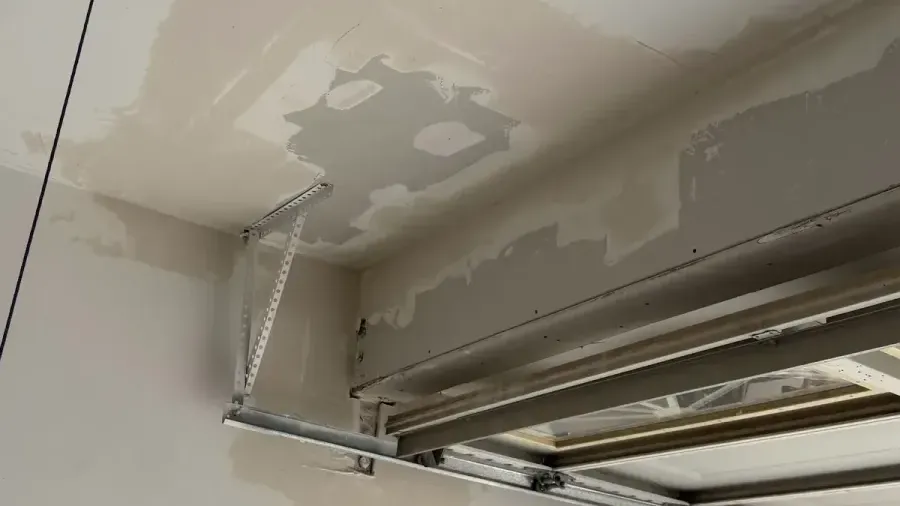
The best time of year for drywall repair in the East Valley runs from about October through April, when mild weather makes it easy to hold a steady indoor temperature and ventilate a room without pulling 105-degree air across fresh joint compound.
That window matters more than most homeowners expect. Compound that dries too fast can crack, shrink unevenly, or pull away from the tape, so the patch that looked perfect in July can show a hairline seam by spring. If you have a cracked hallway wall, a stained ceiling, or a hole behind a door, this is the stretch of the year to deal with it.
Why cooler months are the easiest window for drywall work
Cooler months are easier because joint compound dries by evaporation, and you have far more control over that in November than in July. Each coat needs to dry slowly and evenly so it bonds to the one underneath.
Hot, dry air does the opposite. The Gypsum Association's guidance on joint treatment in extreme weather tells crews to work shorter sections at a time in hot, dry conditions, keep doors and windows closed, and cut down drafts, because rapid drying leads to cracking and delamination. The same industry guidance puts the comfortable working range for joint treatment at roughly 55 to 70 degrees indoors.
In an air-conditioned living room, that is manageable year-round. It gets harder in a garage, a new addition, or any room where the windows are open for dust control and a crew is moving in and out through a hot doorway. From October through April, you can ventilate a room without fighting the heat, which helps most during the sanding and texture matching stages of a professional drywall repair.
Signs your walls need a pro, not a patch kit
Call a professional when the damage involves moisture, movement, or an area bigger than your hand. Those three signs separate a quick fill from a repair that needs cutting, backing, taping, and texture matching.
- Diagonal cracks running from the corner of a door or window, which usually point to movement
- Water stains, soft spots, or a sagging ceiling, which mean a leak came first
- Nail pops and ridges along seams or corners
- An older patch that never matched the texture around it
- Holes larger than a few inches, or any hole with damaged backing behind it
Small dings, picture hook holes, and shallow scuffs are fine to handle yourself. Anything on that list tends to come back if it is only covered up.
What a professional drywall repair involves
A proper repair rebuilds the wall in layers, then hides the seam in the texture. Most jobs follow the same order.
- Cut the damaged board back to solid material and add backing where it is needed.
- Fit new drywall, then tape the seams.
- Apply compound in thin coats, letting each one dry fully before the next.
- Sand between coats, which is where most of the dust comes from.
- Match the texture to the rest of the room.
- Prime the patch so the paint does not flash in a different sheen.
Texture matching is the step that decides whether a repair disappears. Arizona homes run everything from knockdown to orange peel to smooth, and each one needs a different technique and a practiced hand.
Dust control matters as much as the finish. Our crews cover floors, furniture and plants before the work starts and clean up properly at the end, which is the part homeowners notice most in a house they are still living in.
When interior cracks match cracks outside
If an interior crack lines up with a crack on the outside wall in the same spot, the movement is coming from the structure or the soil, not from the drywall. Patching the inside alone will not hold.
Desert heat drives much of that movement. Phoenix averages 111 days a year at or above 100 degrees based on National Weather Service normals for 1991 to 2020, and walls expand and contract daily as temperatures swing. Add clay soils that swell and shrink with monsoon moisture, and both sides of the wall move together.
When that happens, the repair has to address the outside too. Our guide to stucco cracks in Arizona explains what crack width and direction actually tell you, and stucco repair covers patching and texture matching on the exterior side.
Pairing drywall repair with interior Painting
Repair first and paint second, and the cooler months are a good time to do both in one visit. Fresh compound and primer need to be dry before color goes on, and paint will not hide a crack that is still moving.
Bundling also saves a second round of masking, furniture moving and cleanup. If a room is getting interior and exterior painting anyway, the patching, sanding and priming fold into the same schedule.
Planning work on the outside of the house as well? Our breakdown of exterior house painting cost, prep and timeline covers the same seasonal window from the outside in.
Planning your repair around the East Valley calendar
Book early in the window if you can, because fall and early winter fill up with homeowners doing exactly the same thing.
| Time of year | What it means for drywall work |
|---|---|
| October to December | Mild temperatures, easy ventilation, busiest booking season |
| January to March | Comfortable working conditions and usually the easiest scheduling |
| April to May | Still very workable, and a good time to get ahead of summer |
| June to September | Monsoon humidity slows drying, and heat limits work in unconditioned spaces |
Homes closer to the 60 and the 202 can be scheduled through our painting and repair crew in Mesa, and we work across Gilbert, Mesa, San Tan Valley & the East Valley, AZ, Monday to Sunday, 7 AM to 7 PM.
Schedule your drywall repair before the heat returns
The cooler months are the easiest time to get this done, and the calendar fills up. Call (602) 694-6873 and Nate will look at the damage himself, explain what it needs, and send a written quote with photos.
Kodiak Paint & Construction serves Gilbert, Mesa, San Tan Valley & the East Valley, AZ, Monday to Sunday, 7 AM to 7 PM. You can also send us your project details and we will get back to you to set up a look.
FAQs about drywall repair timing
How long does a drywall repair take?
Most single room repairs take one to three days, since each coat of compound has to dry before the next one goes on. Larger jobs or heavy texture matching can run longer.
Can drywall repair be done in the summer in Arizona?
Yes, especially in air-conditioned rooms. The complications show up in garages, additions and any space where the crew is working with doors open and the air is hot and dry.
Should I repair drywall before selling my home?
Yes. Cracks, holes, and ceiling stains read as deferred maintenance to buyers, and patching is one of the cheaper fixes to make before a listing.
What causes most drywall damage in Gilbert homes?
Settling and soil movement, small plumbing or roof leaks, humidity swings during monsoon season, and ordinary wear from furniture and door handles.
Do I have to repaint the whole wall after a patch?
Usually yes for a clean result, because a primed patch takes paint slightly differently than the aged paint around it. Painting corner to corner keeps the sheen even.
More about this work: Drywall Services in Gilbert & the East Valley