Paint problems
Peeling and Chalking Paint on Arizona Homes: Fix the Cause Before Repainting
Two different failures, two different fixes — how to tell peeling from chalking, three tests you can do today, and what to repair before any new paint goes on.
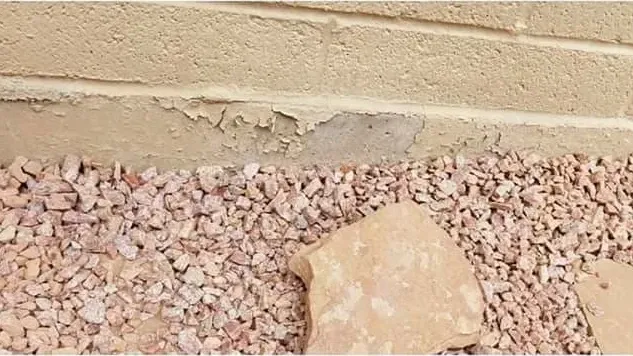
Has your stucco ever left a chalky white film on your fingers? Or is the paint on your fascia curling off in sheets? Those are two different problems, and a fresh coat of paint will not solve either one. Peeling and chalking are signs that something underneath has already failed. Once you know which one you are dealing with, you can fix the real cause and get a repaint that lasts for years instead of months. Here is how to tell them apart and what to do next.
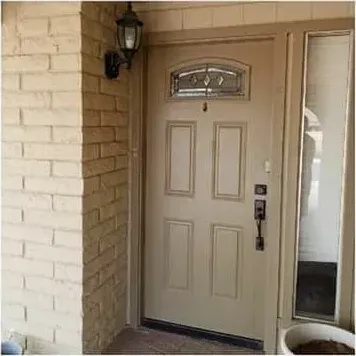
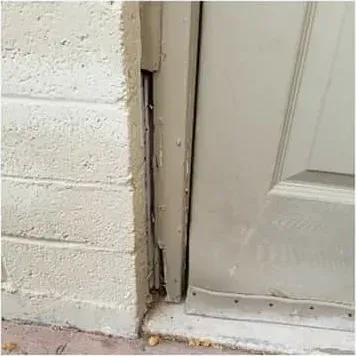
Peeling vs. chalking: how to tell them apart
Peeling means the paint has lost its grip on the surface. Chalking means the paint film itself is wearing out and shedding a fine powder. One is an adhesion problem, and the other is a sun problem.
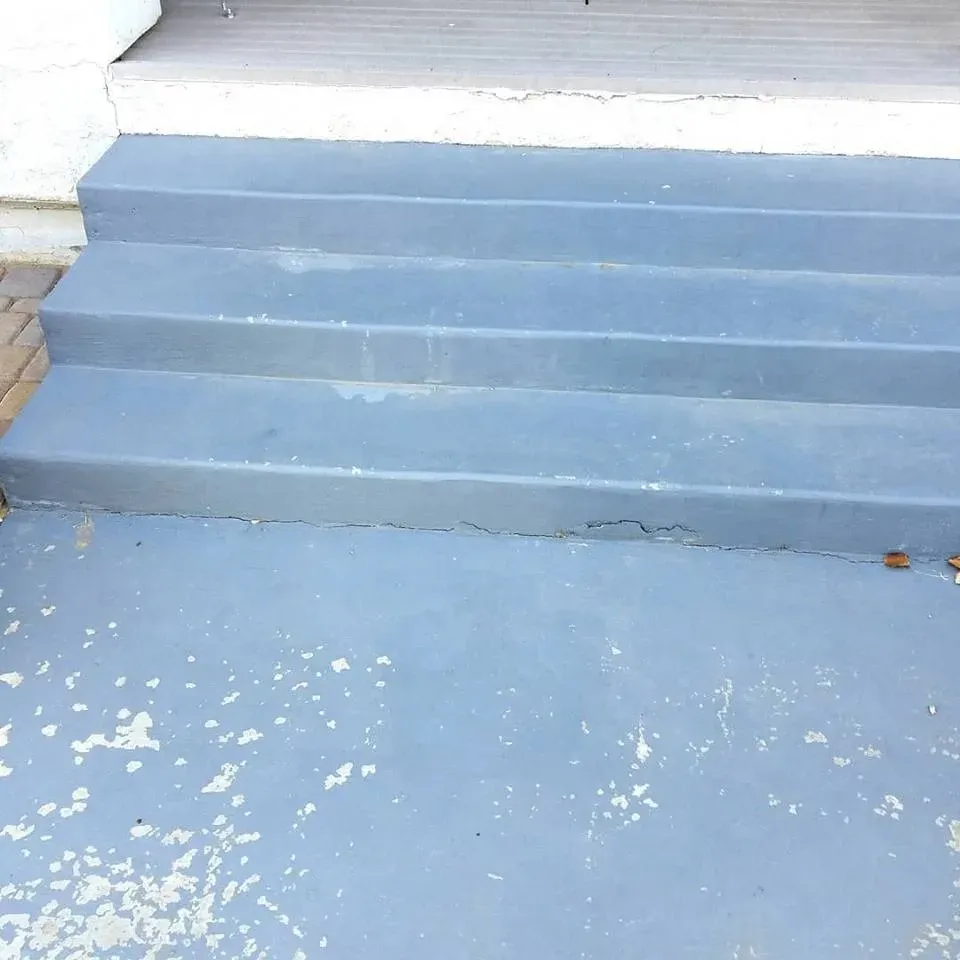
To check, run your hand down a sunny wall. If your palm comes away dusty, you have chalking. If you see curled edges, bubbles, or bare patches, you have peeling.
| Sign | What you see | Usual cause | How urgent |
|---|---|---|---|
| Peeling | Curling edges, blisters, flakes, bare spots | Moisture or poor prep | High. Water may be getting into the wall. |
| Chalking | Powder on your hand, faded and dull color | UV breaking down the paint binder | Medium. Wash and prime before you repaint. |
| Both together | Powder up high, flaking down low | An old coating plus a moisture source | High. Find the water first. |
Either way, the repair comes first. Paint only lasts as long as the surface under it, so careful prep before any interior or exterior painting matters far more than the brand on the can.
What causes peeling paint on Arizona homes
Peeling almost always comes back to moisture or skipped prep. Paint cannot bond to a surface that is damp, dusty, or already shedding powder. Here are the causes we see most often in the East Valley:
- Cracked stucco. Monsoon rain pushes into hairline cracks, then the trapped moisture pushes the paint back off from behind. Sealing and patching with proper stucco crack repair stops the cycle.
- Sprinklers hitting the wall. A head that sprays the house every morning will lift paint along the bottom few feet within a couple of seasons.
- Roof and gutter leaks. Water running behind fascia and trim shows up as peeling long before you see a stain inside.
- Painting over a dirty or chalky surface. New paint sticks to the loose powder, not to the wall, so it releases in sheets.
- Steam with nowhere to go. Bathrooms and laundry rooms without a working exhaust fan peel around ceilings and door frames.
- Painting in the heat. Most coatings have a maximum surface temperature. Apply them to a wall baking in July sun and the film dries before it can bond.
Because each of these causes is different, the fix is different too. Scraping and repainting without finding the source simply resets the clock.
Why paint chalks in the desert sun
Chalking happens when ultraviolet light breaks down the resin that holds the pigment together. The resin gives out first, so the pigment is left loose on the surface as powder.
Our climate speeds that up. Phoenix averages 111 days a year at or above 100 degrees, based on 1991 to 2020 normals from the National Weather Service. Add intense UV and very little cloud cover, and a coating here works far harder than the same coating in a milder state.
A few things decide how fast it shows up:
- Wall direction: South and west walls chalk first because they take the most afternoon sun.
- Paint quality: Budget paints use less binder, so they chalk sooner and fade faster.
- Color: Deep reds, blues, and other strong colors tend to show fading and powder earlier than light neutrals.
A light dusting after many years is normal wear. Heavy chalk that marks your clothes when you brush past, though, means the film has little protection left.
Three quick tests you can do today
You can diagnose most of this yourself in about ten minutes with a rag, some tape, and a screwdriver.
- Rub test: Wipe a dark cloth firmly across a sunny wall. A faint dusting means light chalking. A heavy coating that keeps transferring after two or three wipes means the surface needs a full wash and a bonding primer.
- Tape test: Press a strip of painter's tape hard onto a suspect spot, then pull it off quickly. If paint lifts with the tape, the bond is already gone in that area and scraping will spread wider than you expect.
- Moisture check: Tap the stucco around peeling areas with a screwdriver handle. A hollow sound means the surface has separated from the wall. Then walk outside while your sprinklers run and watch for heads spraying the house.
Write down what you find, since the answers decide which repairs come first.
Fix the cause before you repaint
Good prep follows a set order, and skipping a step undoes the ones before it. Here is the sequence we use on East Valley homes:
- Stop the water. Repair the leak, move the sprinkler head, clear the gutter, or add an exhaust fan. Nothing else holds until this is done.
- Remove the failed paint. Scrape and sand back to a sound edge, then feather the border so the repair does not telegraph through the new coat.
- Wash off the chalk. Scrub with detergent and rinse thoroughly, then let the wall dry completely. Repeat the rub test afterward to confirm the powder is gone.
- Repair the surface. Patch stucco cracks and match the texture so the repair disappears. Inside, water-damaged walls and ceilings usually need drywall repair and retexturing before anything is painted.
- Prime what you repaired. Bare stucco, patches, and any area that still has slight chalk need a bonding or masonry primer. This is the step most DIY repaints skip.
- Paint in the right conditions. Spring and fall are kindest to the film. Our guide to exterior painting cost, prep, and timeline in Gilbert walks through how long each stage takes.
Meanwhile, resist the urge to roll on a thick coat to hide the damage. Extra film thickness over a loose surface adds weight and peels sooner.
When to call a painting contractor
Call a professional when peeling covers more than a wall or two, when you find soft or hollow stucco, or when you are working above the first story. Those jobs need equipment and repair work that go well beyond a weekend project.
It also pays to get help if your home was built before 1978, since older paint layers may contain lead. The EPA's Renovation, Repair and Painting rule requires certified firms and lead-safe practices for paid work that disturbs those surfaces, which rules out casual scraping.
At Kodiak Paint & Construction, Nate looks at every job himself and sends a written quote with photos and a clear scope, so you know what is being repaired and why. Because we handle stucco, drywall, and paint, one team can take a wall from cracked to finished. You can see that work in our project gallery, and if you are on the west side of the valley, we also work as a painter in Mesa.
Get a repaint that actually lasts
If your paint is peeling or chalking, let us find out why before you spend money on another coat. We will look at the wall, explain what we see in plain terms, and send you a written quote with photos and a clear scope.
Call Kodiak Paint & Construction at (602) 694-6873 or request your free quote online. We serve Gilbert, Mesa, San Tan Valley & the East Valley, AZ, Monday to Sunday, 7 AM to 7 PM.
FAQs about peeling and chalking paint
Can I just paint over peeling paint?
No. New paint bonds to whatever it touches, so if it touches loose paint, it comes off with that loose paint. Scrape, sand, and prime first.
Does chalking mean my stucco needs to be replaced?
Usually not. Chalking is a coating problem, not a wall problem. As long as the stucco is sound and crack-free, washing and priming is enough.
How often should I repaint my house in Arizona?
Most exteriors here need a repaint every seven to ten years, though sun-facing walls often need attention sooner. Quality of prep and paint makes a bigger difference than the calendar.
What is the best time of year to repaint in the East Valley?
Spring and fall. Mild surface temperatures let the paint cure properly, while summer heat can cause it to dry before it bonds.
Will a more expensive paint stop chalking?
It will slow it down, since better paints carry more UV-resistant binder. However, no paint lasts on a surface that was not cleaned, repaired, and primed first.
More about this work: Interior & Exterior Painting in Gilbert & the East Valley